Fewer than 50% of heart problems are detected during pregnancy. A pulse oximeter is an extremely cost effective tool to evaluate babies for hidden heart defects. The Pulse Oximeter ensures accurate Sp02 readings of the smaller, thinner fingers of children, geriatric patients and small or frail adults. Oximeters are used medically by patients with asthma, emphysema, chronic obstructive pulmonary disease (COPD), chronic obstructive airway diseases (COAD), and other respiratory conditions. Some heart defects do cause signs and symptoms. They depend on the number, type, and severity of the defects. Severe defects can cause signs and symptoms, usually in newborns. These signs and symptoms may include:
- Rapid breathing
- Cyanosis (a bluish tint to the skin, lips, and fingernails)
- Fatigue (tiredness)
- Poor blood circulation
Top Features:
- Certification: CE
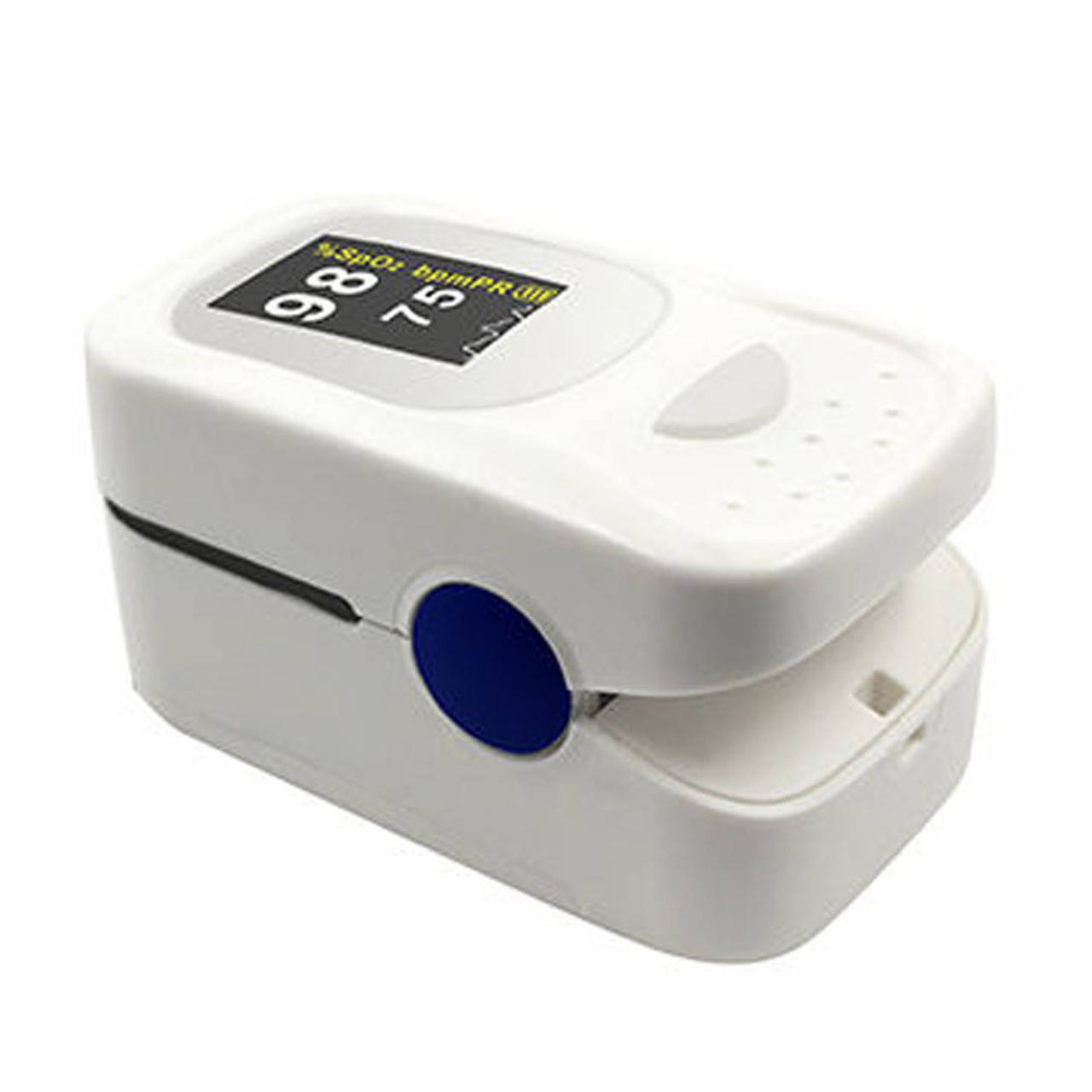
- OLED color display
- Four directions and eight modes PR waveform and bar graph display
- 30-hour continuous work with 2 x AAA batteries
- Power consumption: less than 40mA
- Suitable for home care
- Can be used in hospitals, home, community medical treatment and sports healthcare
- Can measure SpO2 and PR accurately
- SpO2, PR display, PR waveform and bar graph display
- Battery voltage low indication
- Four directions and eight modes
- Low power consumption and shutoff automatically when no signal
- Pulse sound function
- Alarm function
- 1.3-inch 65-color OLED display and resolution 96 x 64 pixels
- SpO2: 35 to 99%
- Pulse ratio: 30 to 250bpm
- Resolution: 1% for SpO2 and 1bpm for pulse2
- Power: 1.5V (AAA size) alkaline batteries x 2 and can work more than 30 hours continuously
- Interference resistance capacity against ambient light and measurement performance at low per-fusion
How to use :
- Install two x AAA batteries into battery compartment correctly
- Place damp over finger nail as following diagram
- Insert one finger into rubber hole of oximeter fully
- Press switch once on front panel
- Finger and body should not tremble during measuring
- Read correspondent date from display screen
Frequently Asked Questions
What is a pulse oximeter and how does it work?
A pulse oximeter is a non-invasive medical device that measures the oxygen saturation level (SpO₂) in the blood and the pulse rate. It operates by emitting light through a fingertip and detecting the amount of light absorbed by oxygenated and deoxygenated blood, providing real-time readings of oxygen levels and heart rate.
Why is it important to monitor oxygen levels in children?
Monitoring oxygen levels in children is crucial because it helps in the early detection of respiratory issues, such as asthma or pneumonia, and congenital heart defects. Early identification allows for timely medical intervention, potentially preventing serious complications.
How does this pulse oximeter cater to children's needs?
This pulse oximeter is specifically designed for children, featuring a lightweight and compact design suitable for smaller, thinner fingers. It ensures accurate SpO₂ readings even in pediatric patients, making it ideal for home care and clinical settings.
Can this device be used for adults as well?
Yes, while optimized for children, this pulse oximeter can also be used for adults, particularly those with smaller or frail fingers, ensuring accurate readings across different age groups.
What are the key features of this pulse oximeter?
Key features include:
- CE certification
- OLED color display with four directions and eight modes
- PR waveform and bar graph display
- 30-hour continuous operation with 2 x AAA batteries
- Low power consumption (less than 40mA)
- Automatic shutoff when no signal is detected
- Pulse sound and alarm functions
- 1.3-inch 65-color OLED display with 96 x 64 pixel resolution
- Measurement ranges: SpO₂: 35% to 99%, Pulse rate: 30 to 250 bpm
- High resistance to ambient light interference and low perfusion measurement capabilities
How do I use the pulse oximeter correctly?
To use the pulse oximeter:
- Insert two AAA batteries into the compartment.
- Place the device over the fingertip, ensuring the nail faces upward.
- Insert the finger fully into the rubber hole.
- Press the switch on the front panel once.
- Keep the finger and body still during measurement.
- Read the SpO₂ and pulse rate from the display screen.
Is the pulse oximeter suitable for home use?
Yes, this pulse oximeter is designed for both home care and clinical environments. Its user-friendly interface and compact design make it convenient for parents and caregivers to monitor children's oxygen levels at home.
What conditions can this pulse oximeter help monitor?
This device is beneficial for monitoring conditions such as asthma, emphysema, chronic obstructive pulmonary disease (COPD), chronic obstructive airway diseases (COAD), and other respiratory issues. It aids in assessing oxygen saturation levels, which is vital for managing these conditions.
How long do the batteries last in this pulse oximeter?
The pulse oximeter operates continuously for up to 30 hours on two AAA alkaline batteries, ensuring reliable performance during extended use.
Does the device have any safety features?
Yes, the pulse oximeter includes several safety features:
- Low battery voltage indication
- Automatic shutoff when no signal is detected
- Pulse sound function
- Alarm function to alert users of abnormal readings
Can the pulse oximeter be used during physical activities?
Yes, the device is suitable for use during sports and physical activities. However, for the most accurate readings, it's recommended to measure when the user is at rest, as movement can affect the accuracy of the readings.



 Included